How Modern Dutch Stroopwafels Compare With Traditional Recipes
The stroopwafel is one of the Netherlands' best-known treats. A thin waffle disc filled with warm caramel syrup, it was first made in Gouda in the early nineteenth century. For generations, the recipe stayed largely the same: a simple dough of flour, butter, sugar, yeast and eggs, baked in a hot waffle iron, then split and spread with a sticky syrup made from sugar, butter and cinnamon. That classic version remains a favourite at markets and cafes across the country. But in recent years, a new kind of stroopwafel has appeared on shelves, one that aims to keep the chewy centre and crisp edges while cutting the sugar content significantly. This article compares traditional stroopwafels with the modern lower-sugar alternatives, looking at what changes, what stays the same, and when a person might choose one over the other.
What Makes a Traditional Stroopwafel
A traditional stroopwafel starts with a yeasted dough that is rolled into a ball, placed in a hot patterned iron, and pressed flat. The heat creates a thin, crisp waffle with a slightly chewy texture. As soon as it comes out of the iron, the warm waffle is split horizontally with a knife, producing two thin layers. The baker then spreads a generous layer of warm caramel syrup on one half and presses the other half on top. The syrup is made from brown sugar, butter, cinnamon and sometimes molasses or glucose syrup. The result is a cookie that is sweet, buttery and aromatic, with a soft interior that firms up as it cools.
The sugar content in a traditional stroopwafel is high for two reasons. First, the dough itself contains sugar, which helps the waffle brown and gives it a crisp crust. Second, the filling is essentially caramelised sugar. A single traditional stroopwafel can contain ten to fifteen grams of sugar, much of it added sugar. For someone who enjoys one as an occasional treat with coffee or tea, that is not a problem. But for people who want a daily snack or who are watching their sugar intake, the traditional version can be hard to fit into a balanced diet.
What Changes in Lower-Sugar Versions
Modern lower-sugar stroopwafels address the sugar content in two main ways. The first is by replacing some or all of the sugar in the dough with alternative sweeteners such as erythritol, stevia or allulose. These provide sweetness without the same spike in blood glucose. The second approach is to reduce the amount of syrup in the filling or to make the syrup with a sugar alcohol or a fibre-based sweetener instead of brown sugar. Some recipes also add extra fibre to the dough, which can improve the texture and help the waffle stay crisp without relying on sugar for browning.
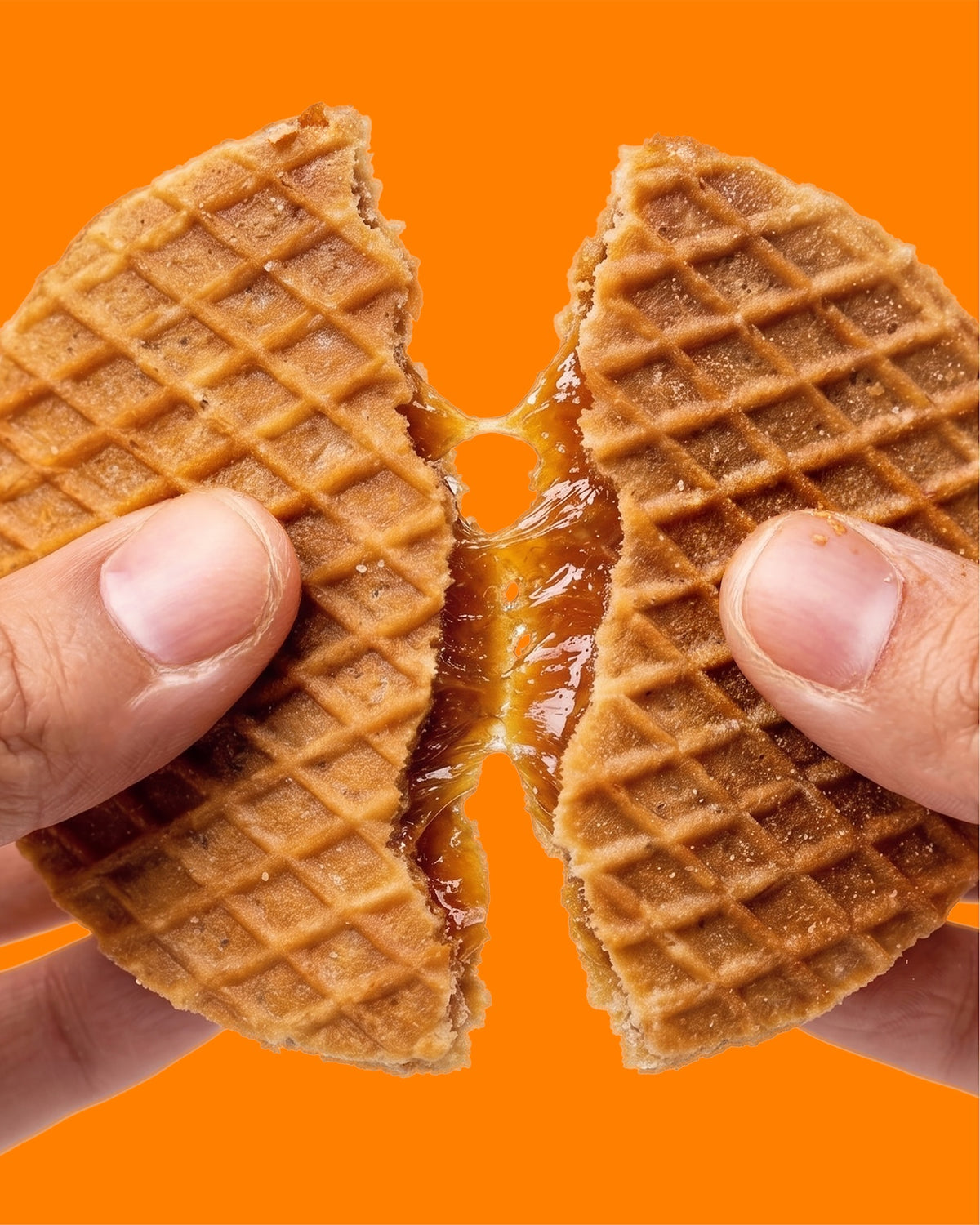
The result is a stroopwafel that has around half the sugar of the traditional version, sometimes even less. The calorie count also drops, though not as dramatically because the butter and flour remain. The taste and texture change as well. A lower-sugar stroopwafel is less intensely sweet. The caramel notes are milder, and the filling may feel a little less sticky. The waffle itself can be slightly less crisp, depending on the sweetener used. Some people notice a cooling aftertaste from erythritol, similar to what you get in sugar-free mints. Others find the texture softer and more chewy than the traditional version, which some prefer and others do not.
Comparing the Eating Experience
When you bite into a traditional stroopwafel, the first sensation is the snap of the waffle, followed by the warm, runny syrup that softens as the cookie warms in your hand. The sweetness is immediate and full. It pairs beautifully with a strong black coffee or a dark tea, where the bitterness cuts through the sugar. A traditional stroopwafel is best eaten fresh, often placed over a mug of hot coffee for a minute or two so the steam softens the filling. In the Netherlands, this is the classic way to enjoy one.
A lower-sugar stroopwafel still works well with coffee or tea, but the pairing changes. Because it is less sweet, the drink does not need to be as bold. A lighter roast coffee or a herbal tea can complement it without overwhelming the palate. The texture is often softer, so the waffle may not snap as cleanly. The filling, being less sugary, does not caramelise in the same way; it stays more like a firm paste than a runny syrup. Some people find this more pleasant because it does not drip. Others miss the gooeyness of the original.
When to Choose Traditional
A traditional stroopwafel is a good choice when you want the full authentic experience. If you are sharing a plate of Dutch treats with friends, or if you are having a single cookie as an occasional indulgence, the classic version delivers the taste and texture that made the stroopwafel famous. It is also the better choice for baking or for using as a topping on desserts, because the high sugar content helps it caramelise and hold its shape when heated.
Traditional stroopwafels are widely available in Dutch supermarkets and speciality shops. They are also sold online, though shipping can be expensive. The main drawback is the sugar content. If you eat more than one at a time, the sugar adds up quickly. For someone with diabetes or a low-carb lifestyle, a traditional stroopwafel may simply be off the table.
When to Choose Lower-Sugar
Lower-sugar stroopwafels are a practical option for daily snacking. If you want a cookie with your afternoon tea without worrying about a sugar spike, a lower-sugar version fits naturally into a balanced diet. They are also useful for people who follow a keto, paleo or low-glycemic eating plan. Many brands now offer stroopwafels sweetened with allulose or erythritol, which have little to no effect on blood glucose.
The texture and taste are close enough to the original that most people would not notice the difference in a blind taste test, especially if the waffle is warmed before eating. Warming is key: a lower-sugar stroopwafel benefits from a few seconds in a microwave or a minute over a hot drink, just like the traditional version. The warmth softens the filling and makes the waffle more pliable, masking any dryness that the alternative sweetener may cause.
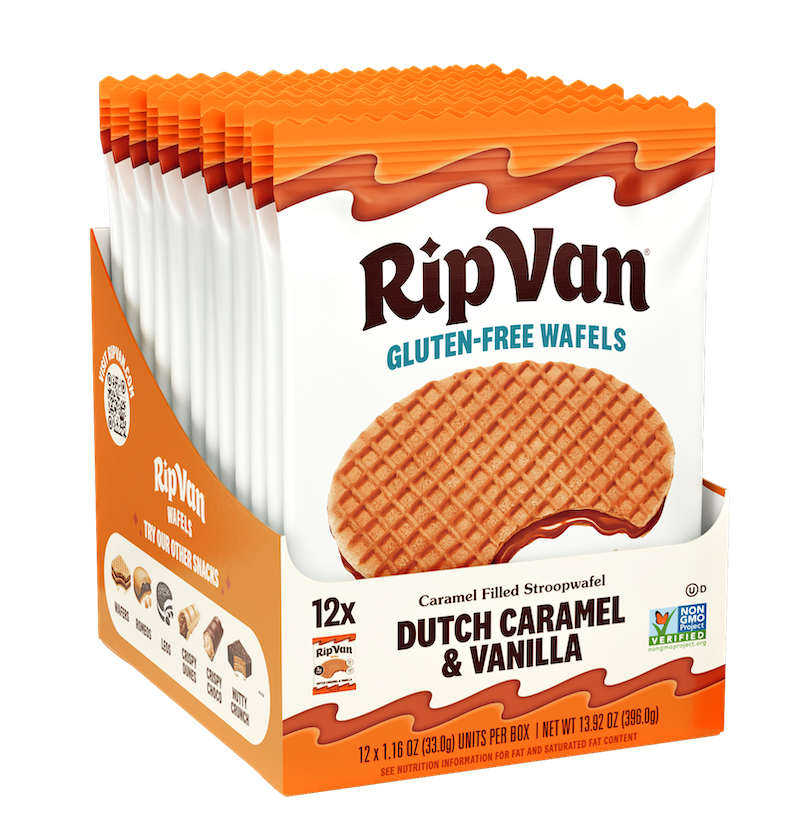
One brand that has focused on this balance is Rip Van. Their lower-sugar Dutch stroopwafels are made with added fibre and a chewy centre that mimics the traditional texture. The company uses a blend of sweeteners that avoids the cooling aftertaste common with erythritol, and the waffle stays crisp enough to satisfy. It is worth noting that Rip Van also offers other filled wafer snacks, all built around the same idea of keeping the classic experience while reducing sugar. For someone who wants the convenience of a packaged stroopwafel that does not require a trip to a Dutch specialty store, these modern versions are a solid alternative.
Nutritional Differences at a Glance
- Traditional stroopwafels typically contain 10-15 g of sugar per serving, mostly added sugar from the syrup.
- Lower-sugar versions often have 3-7 g of sugar per serving, with the balance coming from sugar alcohols or fibre-based sweeteners.
- Calorie counts are similar, usually between 120 and 180 calories per waffle, because the butter and flour remain.
- Fibre content is higher in many modern versions, sometimes 3-5 g per serving, compared with less than 1 g in traditional ones.
- The glycemic impact is lower in lower-sugar versions, making them suitable for people managing blood sugar.
How to Decide
The choice between a traditional and a modern lower-sugar stroopwafel comes down to context. If you are having a single cookie as a treat, the traditional version is hard to beat. If you want something you can keep in your desk drawer for a daily snack, the lower-sugar version is more practical. Both deliver the same basic experience: a thin, crisp waffle with a sweet, chewy centre. The difference is in how that sweetness is achieved and how it fits into your overall diet.
There is no right or wrong answer. Some people keep both on hand, using the traditional ones for special occasions and the lower-sugar ones for everyday. Others switch entirely to the modern version once they realise how close it is to the original. The key is to try a few options and see which texture and sweetness level you prefer. As the market for lower-sugar stroopwafels grows, the quality continues to improve, and the gap between traditional and modern narrows.

Final Points on Storage and Freshness
Whichever version you choose, stroopwafels stay fresh longest when stored in an airtight container away from heat and sunlight. The syrup can crystallise if exposed to air for too long, making the waffle hard and brittle. If your stroopwafels turn stale, a few seconds in the microwave or a minute over a hot drink can revive the texture. Lower-sugar versions may not soften as much as traditional ones because the sweeteners do not melt the same way, but they still benefit from gentle warming.
In the end, the stroopwafel remains a versatile and beloved Dutch cookie. Whether you stick with the centuries-old recipe or try a modern lower-sugar version, you are still enjoying a piece of Dutch cuisine that has evolved to suit changing tastes and dietary needs. The best stroopwafel is the one that fits your life and your palate.
Corrections
Spot something wrong? Send it to the desk and it gets fixed in the open.